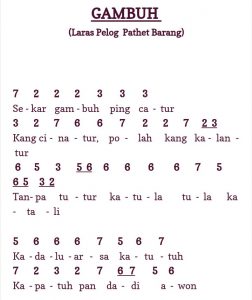
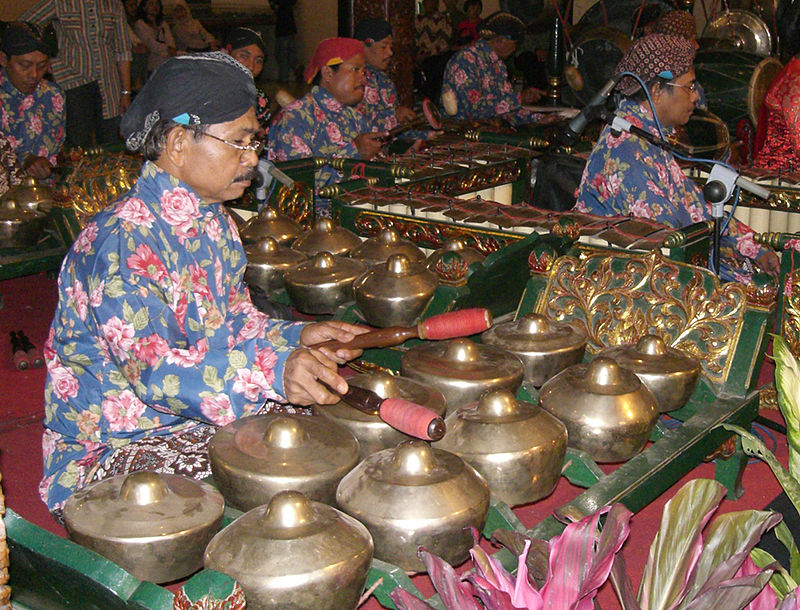
In Javanese culture, there is a song that has a strong cultural meaning in it. The song is called Tembang Macapat. Tembang Macapat consists of 11 kinds of songs, each of which has its own uniqueness, one of which is Tembang Gambuh. Tembang Macapat Gambuh is a beautiful form of Javanese poetry that has been passed down from generation to generation. This is a unique form of poetry sung with traditional Javanese music, and has become an important part of Javanese culture for centuries.
The word ‘gambuh’ refers to the music that accompanies the poetry, and is said to have originated from the Majapahit era, a golden age in Javanese history. Linguistically, tembang gambuh is derived from the words tambuh, embuh, jumbuh which mean appropriate or suitable. Like other tembang macapat, tembang gambuh also has a unique character and rules in it.
What makes Tembang Macapat Gambuh so special is its poetic form. The poem follows a certain structure, with each stanza consisting of five lines called guru gatra. Each line has a pattern formed from the arrangement of the number of its syllables, namely, 7, 10, 12, 8, 8. This number of syllables can be called guru wilangan. In addition, at the end of each line of each stanza, there is also a different pattern of vowel endings. The first and second lines end with the letter u, the third line ends with i, the fourth line returns to the letter u, and the last line ends with a vowel. This is called guru lagu.
The topic of Tembang Macapat Gambuh can vary from love and romance to religious and philosophical themes. Tembang gambuh has a familial, harmony, and togetherness character. The character presented in tembang gambuh is clear, not hesitant, and reasonable.
Overall, Tembang Macapat Gambuh is a beautiful and important part of Javanese culture. This is a unique form of poetry that has been passed down from generation to generation and is still celebrated and appreciated by many people. Its beautiful structure and musical quality make it a true treasure of Javanese art and culture, and worthy of preservation and celebration for future generations.