Puppet Beber
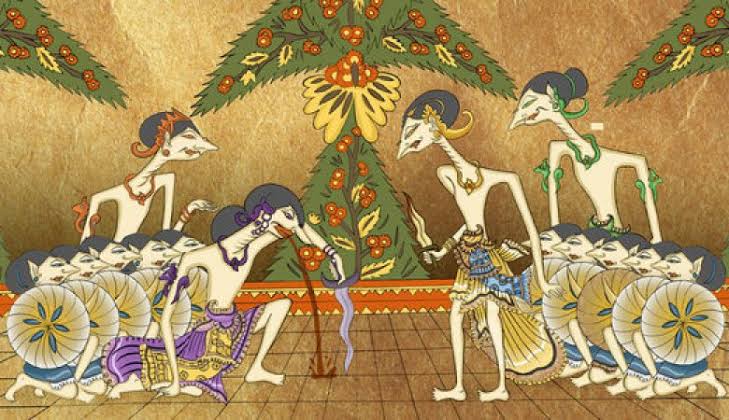
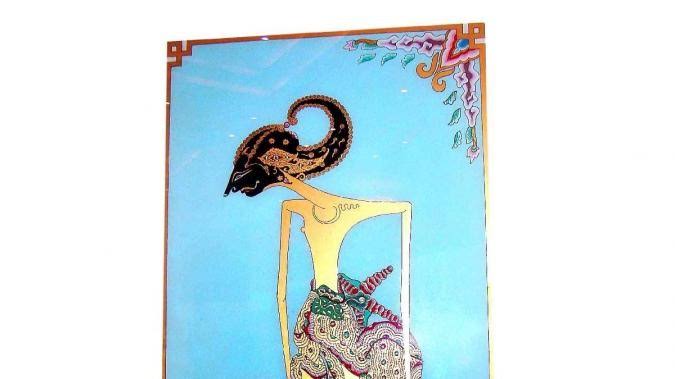
Puppet Beber is a wayang performing art whose presentation is realized in a sheet of paper or cloth with a picture with wayang stylization accompanied by a narration by a puppeteer. Named Puppet Beber because it is a sheet that is formed into the characters in the story. This puppet comes from the reliefs of temples in Indonesia which are called unfolded. At first Puppet Beber was one of the media used to spread religious teachings from the time of the Jenggala kingdom to the Majapahit kingdom.
Puppet Beber usually contains elements of the Ramayana, Mahabharata, and stories found on temple reliefs. In 1145 AD, the Puppet Beber story was written in stone media and began to develop in 1244 AD which began to be written in paper media during the Majapahit kingdom era led by Jaka Susuruh. During the leadership of Jaka Susuruh Puppet Beber experienced rapid development with the use of long sticks used to roll and show the story of each Puppet Beber scene. It continued until 1378 AD, when the king of Brawijaya V ordered Raden Sungging Prabangkara, his 7th son, to study and create new innovations regarding the colors of Puppet Beber which originally only used black and white. Changes in color began to occur when the Kingdom of Demak and Islamic teachings began to enter Indonesia. The impact is a change in the color and shape of the Puppet Beber model that does not follow the human form.
The first or oldest Puppet Beber is located in Karangtalun Hamlet, Gedompol Village, Donorojo, Pacitan. Puppet Beber performances can be performed either during the day or at night, except on Friday nights because Puppet Beber must be given offerings as is customary. A puppeteer of Puppet Beber must be a man and have hereditary skills. The times have demanded Puppet Beber to continue to adapt and adjust. Therefore, contemporary Puppet Beber emerged which was initiated by Dani Iswardana in 2005. The difference between classical and contemporary Puppet Beber is the content of the story, namely classic stories about ancient times and contemporary stories about the daily life of humans today. With the support of the Ministry of Education and Culture, Puppet Beber is expected to continue to be known and exhibited as an asset of the Indonesian nation.